

|
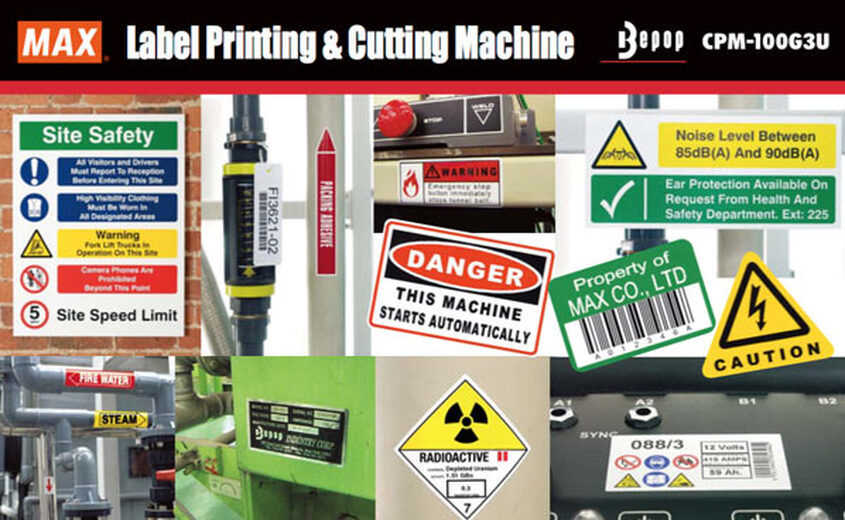
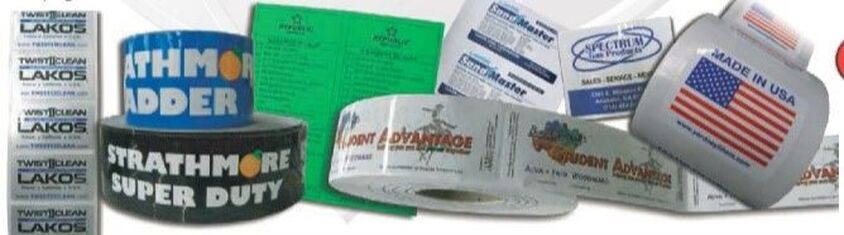
by Laurie Barcaskey Labeling might seem like a small detail, but in many industrial settings, it plays a critical role in keeping operations organized, safe, and compliant. Whether you're identifying wires, components, bins, or panels, adhesive labels provide a simple, effective way to communicate essential information. From wire wraps to self-laminating styles and durable adhesive options, there’s a wide range of label types designed to meet the demands of harsh environments and tight tolerances. Labeling offers a practical and non-destructive way to apply essential identification to parts and components, maintaining the integrity of the surface without introducing any physical deformation. This makes it particularly valuable in applications where substrates are delicate, finished, or require post-process inspection. Adhesive labels are available in a wide range of materials and formats, allowing them to be used across various operating environments. Whether the need is for heat-resistant labels in a high-temperature production area, chemical-resistant options for exposure to solvents and coolants, or UV-stable materials for outdoor use, the adhesive technology behind industrial labels has advanced to meet nearly any demand. For added protection, tamper-evident labels can provide a clear visual indication if an item has been accessed or altered—making them ideal for applications where traceability and security are essential. From a production standpoint, the decision between pre-printed and on-demand labeling comes down to workflow needs and flexibility. Pre-printed labels can streamline repetitive tasks, providing a consistent and cost-effective solution when the same information is applied across multiple parts or assemblies. They’re ready to go straight from the roll, minimizing downtime on the shop floor. However, in more dynamic environments—where part numbers, serial codes, or job details change frequently—printing labels on-demand becomes the better option. It allows for immediate edits, custom designs, and job-specific data entry without waiting on a print house or large label order. This flexibility also reduces inventory waste and supports just-in-time manufacturing practices. With today's label design software and thermal transfer printers, in-house teams can generate professional-quality labels quickly, ensuring that the right information is always applied to the right part, at the right time. Printing In-HouseBringing label printing in-house gives manufacturers greater control and flexibility when it comes to how and when labeling is done. Instead of relying on outside vendors or pre-printed stock that may not reflect the latest revisions or job-specific details, in-house printing allows teams to create exactly what’s needed—on demand, right at the point of use. This is especially useful in environments where parts are built to order, labels need to reflect specific lot numbers, or production schedules change frequently. Operators can update label content in real time, ensuring that the information being applied—whether it’s part numbers, barcodes, date codes, or inspection details—is always accurate and up to date. Having printing capabilities at individual work cells also streamlines the labeling process. Instead of batching everything through a central location, labels can be created and applied as part of the normal workflow. This reduces movement, speeds up production, and supports lean manufacturing principles. For high-volume or high-mix applications, stocking blank label materials—such as thermal transfer rolls or pre-cut formats—enables just-in-time printing without tying up space or budget on pre-printed inventory that might go unused. You get the efficiency of on-demand labeling without sacrificing consistency or quality. If you want to see how these tools come together in a real production setting, check out the video below to see in-house label printing in action. Pre-Printed LabelsPre-printed labels are a great option when consistency, branding, and visual clarity are top priorities. By having labels printed in advance, you ensure that every part or product leaving your facility carries a uniform, professional appearance that aligns with your corporate identity. This can include everything from logos and brand colors to standardized formatting, safety icons, or instructional graphics. In environments where regulatory compliance or safety communication is essential, pre-printed labels help draw attention to key product information. Warnings, handling instructions, or usage limitations can be highlighted with bold graphics or color-coded backgrounds to improve visibility and reduce the risk of error on the shop floor or in the field. These labels also eliminate the variability that can sometimes occur with on-demand printing, especially in high-volume production where speed and consistency are critical. Pre-printed labeling is also an efficient solution when the required content doesn’t change from job to job. Whether you're labeling wiring, panels, housings, or packaging, having a ready-to-apply roll of pre-designed labels cuts down on production time and reduces printer maintenance. And with modern label printing technologies, it’s easy to include variable elements like blank spaces or write-in fields to capture batch numbers, inspection initials, or date stamps during final assembly. In short, pre-printed labels combine professionalism with convenience—ensuring your products are properly identified, safely handled, and branded to reflect your company’s standards. This article is part of the Fundamentals Series, a collection of in-depth guides covering essential marking technologies and processes. Explore the full series here to gain deeper insights into industrial marking solutions. About the Author Laurie Barcaskey of Leading Marks is an authorized manufacturer’s representative with 30 years of experience and shop floor knowledge of solutions for industrial identification, part traceability and pipe testing. Laurie is the third generation of one of the marking industry’s most innovative and enduring family legacies, tracing back to 1889.
0 Comments
|
Follow us on LInkedIN for the latest breaking news!
AuthorS
There are variety of authors who write the articles including marking manufacturers. You'll find a lot of technical imformation, application stories and new product releases here. Be sure and click a category below that interests you to search it. Archives
August 2025
Categories
All
|
RSS Feed